


Tea Origins
"Each tea carries the rhythm of the land and the touch of its maker."

27.7565° N, 117.6618° E
WUYISHAN, FUJIAN, CHINA
Region: Northern part of Fujian Province, China
Elevation: 1350 m
Wuyishan is the birthplace of black tea. Characterized by its rich biodiversity and unique microclimate, its rocky terrain and favorable climate create ideal conditions for cultivating premium oolong and black teas.

24.9650° N, 117.7598° E
ANXI, FUJIAN, CHINA
Region: Southern part of Fujian Province, China
Elevation: 570 m
Anxi's moderate elevation ensures the plants receive balanced sunlight and moisture. The unique microclimate and mineral-rich soil contribute to Oolong's distinctive floral aroma, smooth taste, and exceptional quality.
Additionally, Anxi is celebrated for its traditional tea-making expertise, particularly in crafting the famous Tieguanyin oolong, known for its floral aroma and smooth taste.
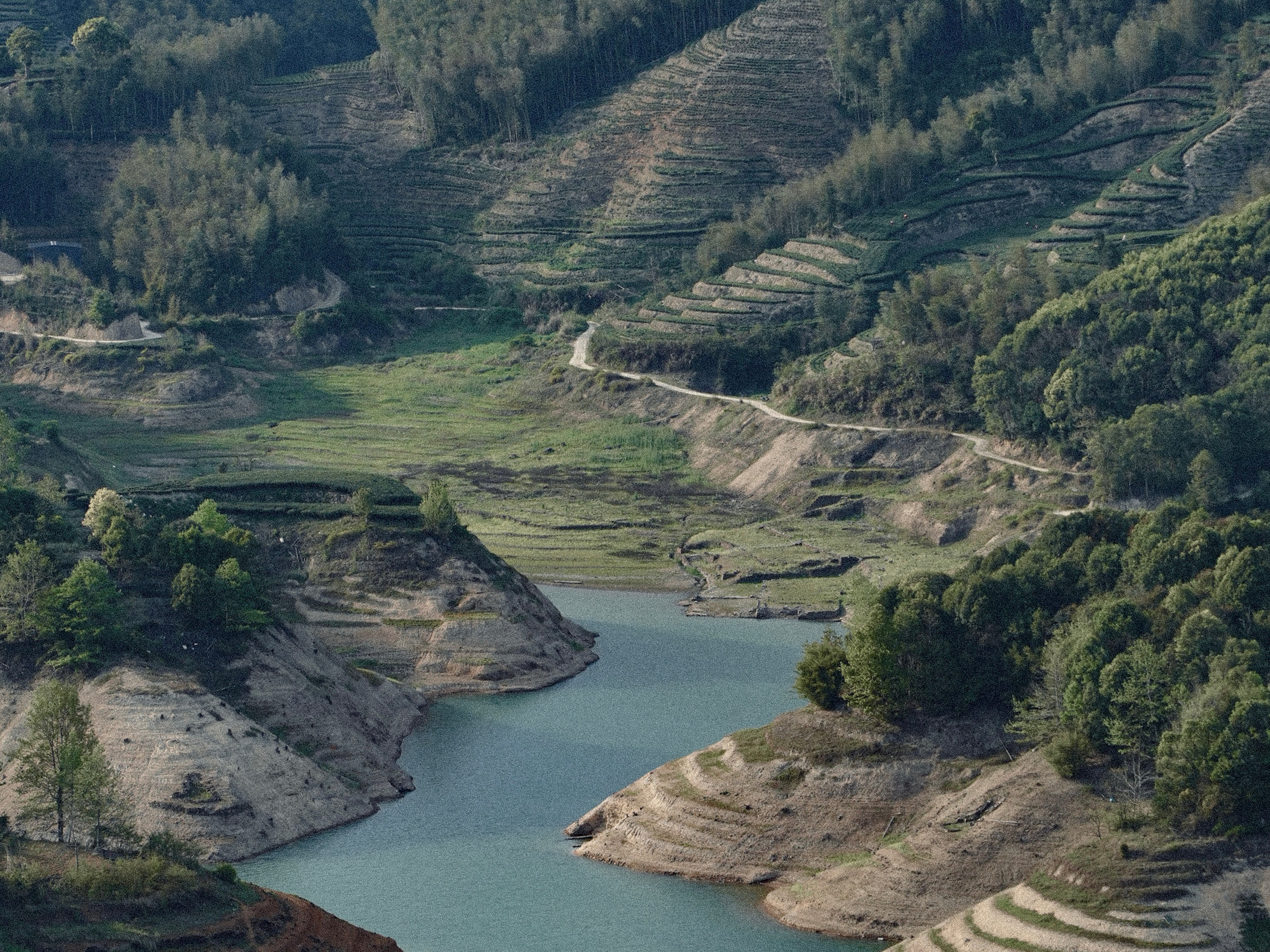
27.3251° N, 119.1755° E
FUDING, FUJIAN, CHINA
Region: Northeastern part of Fujian Province, China
Elevation: 770 m
Fuding's average annual temperature ranges from 59°F to 64°F, with warm, humid summers and mild, cool winters. The consistent mist and fog in the higher elevations of Fuding contribute to the slow, steady growth of tea leaves, enhancing their flavor and aroma. This climate is ideal for producing delicate and aromatic white teas.
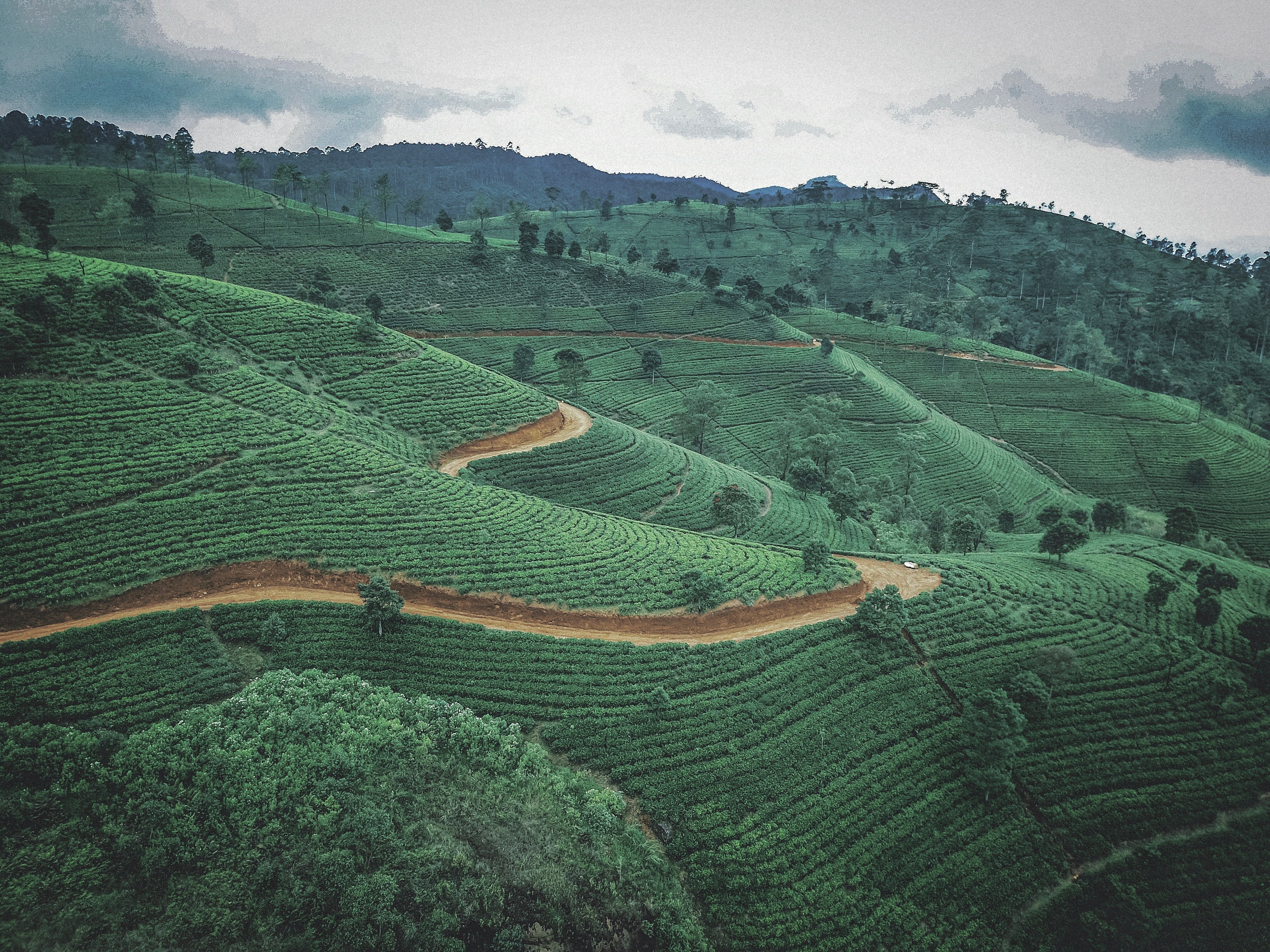
26.1483°N, 119.1428°E
FUZHOU, FUJIAN, CHINA
Region: Northeastern part of Fujian Province, China
Elevation: 638 m
Fuzhou, the capital of Fujian Province, has a long-standing history and expertise in jasmine tea production. Its moderate subtropical climate, with mild winters and abundant rainfall, provides optimal conditions for the growth of fragrant jasmine blossoms.

30.1854°N, 120.0978°E
HANGZHOU, ZHEJIANG, CHINA
Region: Southwestern part of Xihu (West Lake) District, Hangzhou, Zhejiang Province, China
Elevation: 200 m
Hangzhou's subtropical monsoon climate, characterized by distinct seasons, creates ideal growing conditions. The predominantly well-drained, slightly acidic loam soil is rich in organic matter and minerals, supporting healthy root systems and providing essential nutrients to the tea plants. This enhances our Dragon Well (Longjing) tea with its distinctive sweet, chestnut-like flavor and fresh aroma.