

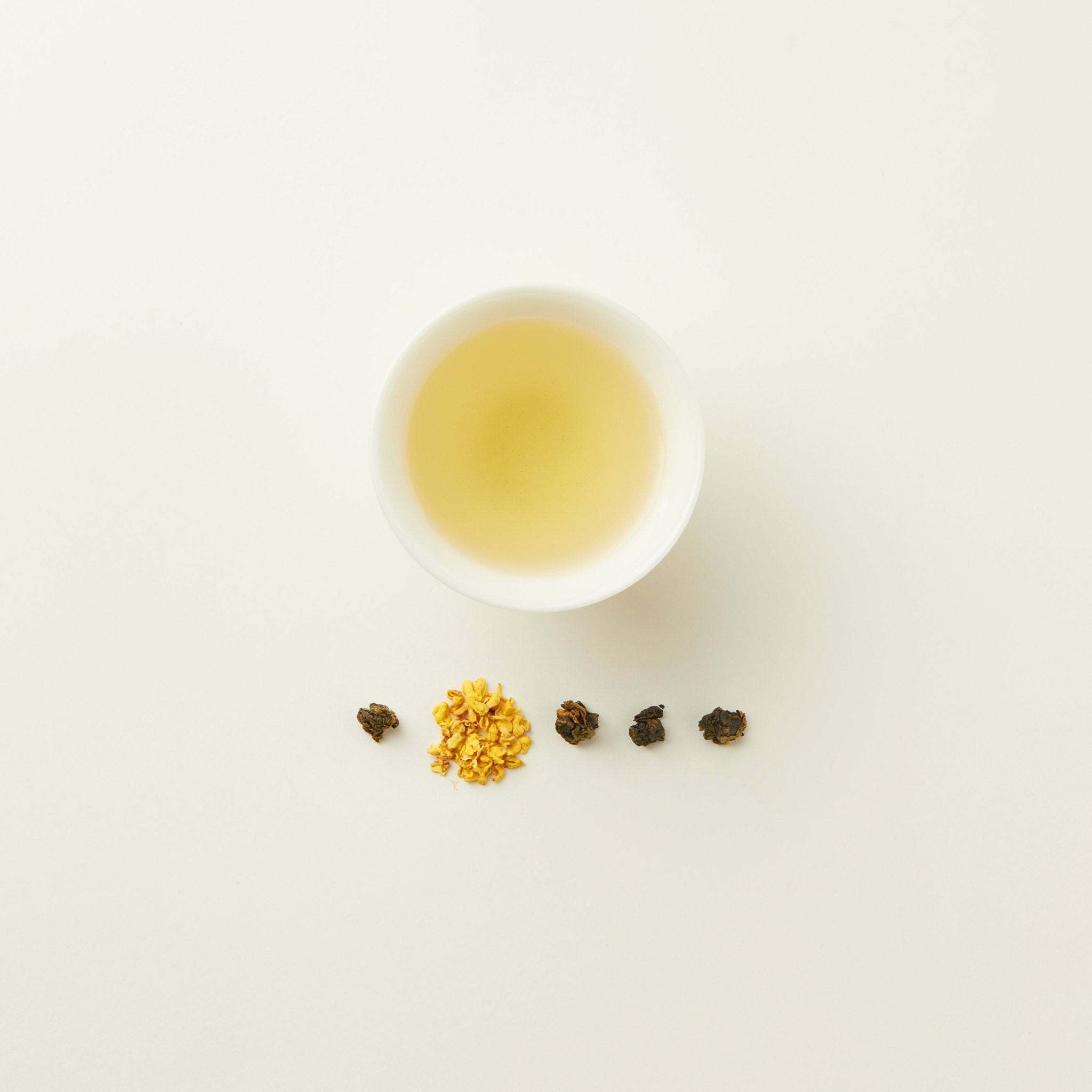
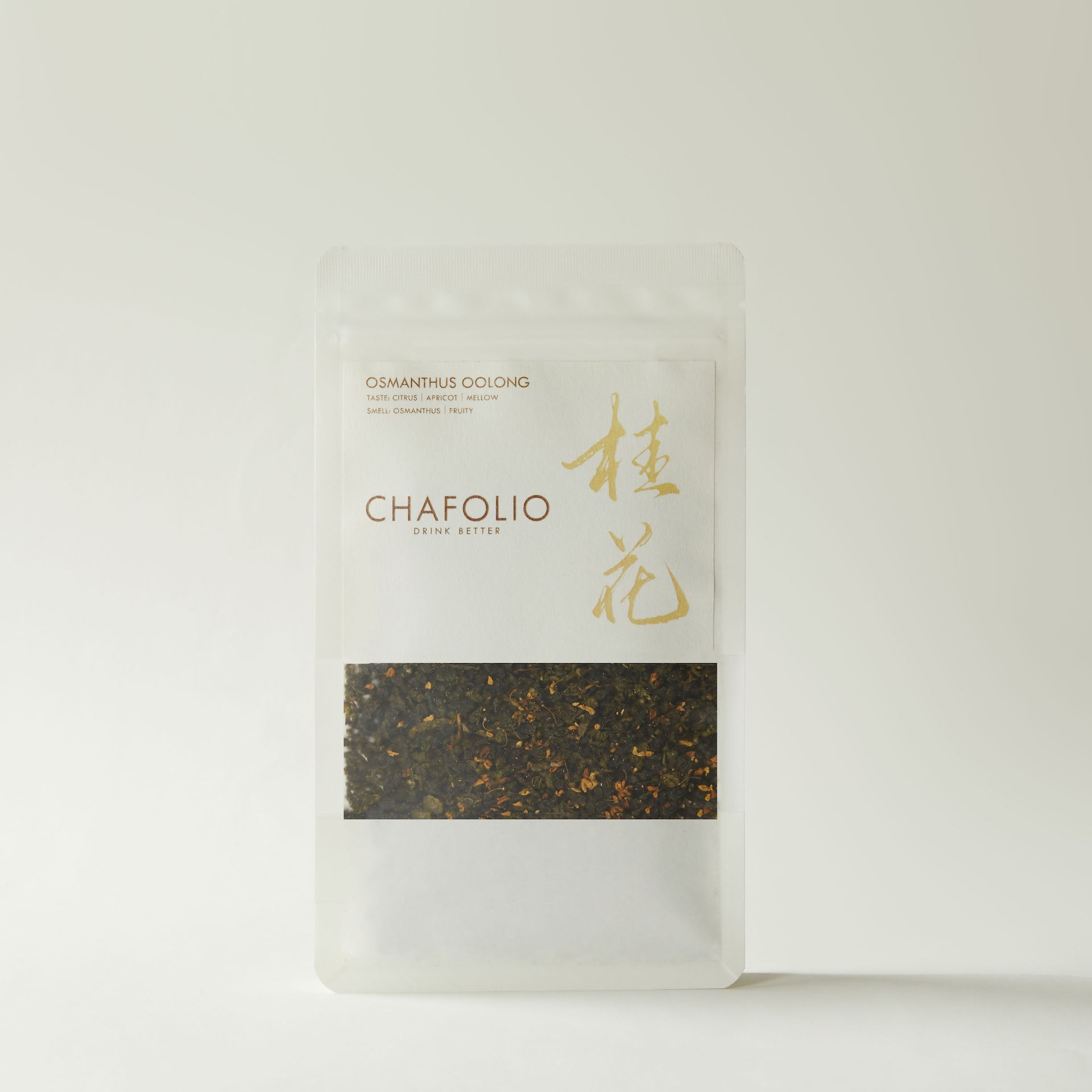
Osmanthus Oolong
Taste: Citrus, Apricot, Mellow
Serving: Each bag (4.3 oz) makes around 50 to 60 cups of tea, depending on your taste preference.
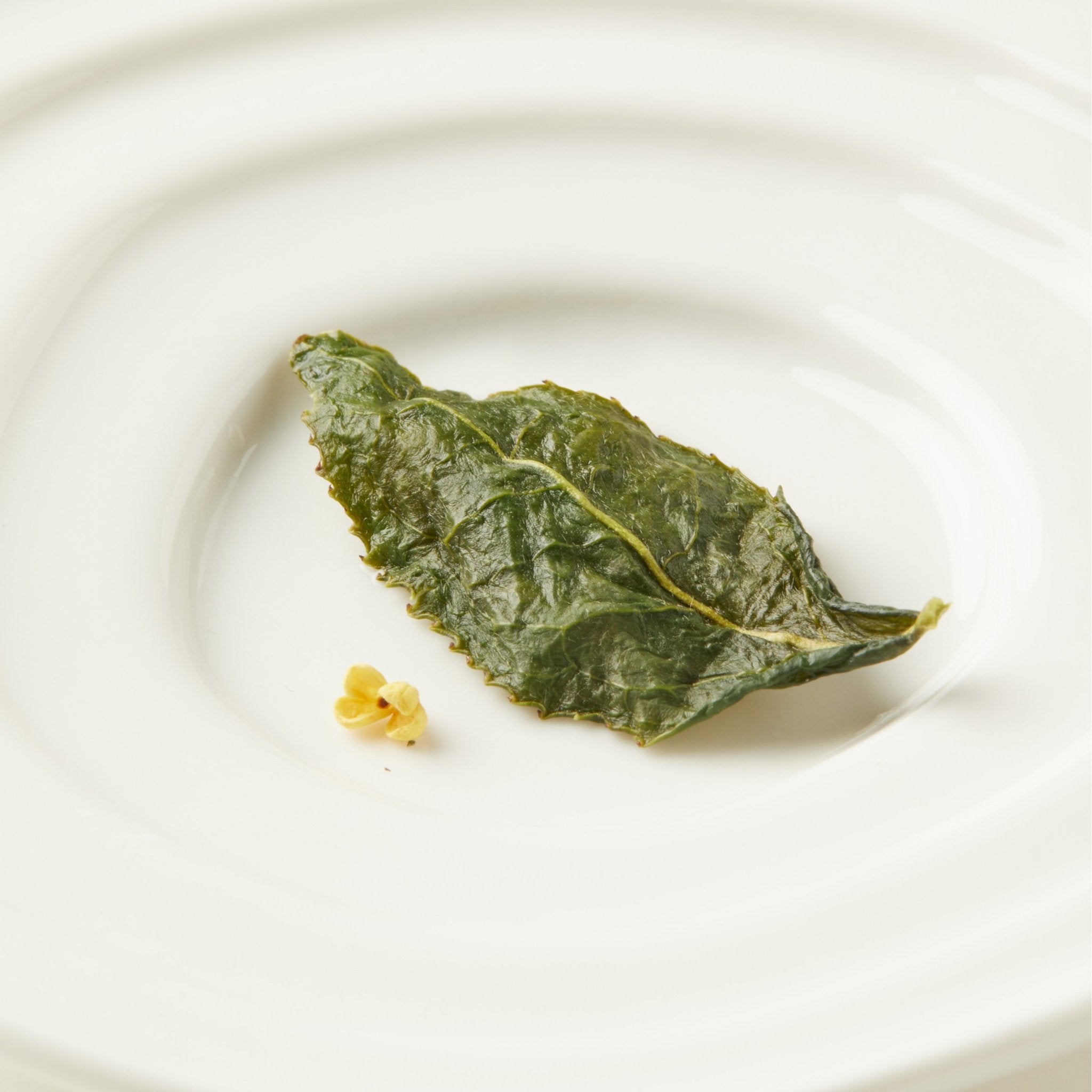
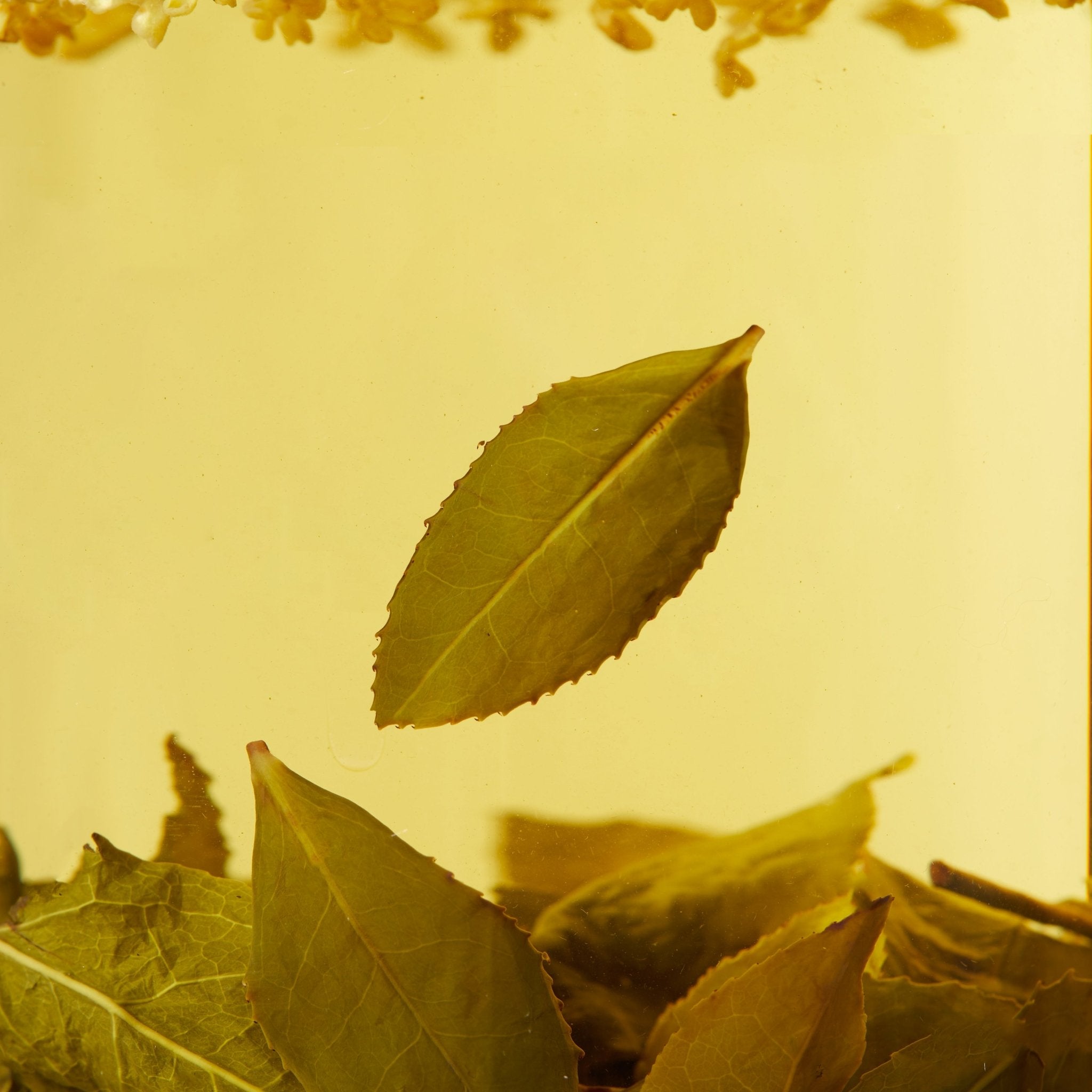
We’ve long loved osmanthus, not just for its golden bloom but for what it brings to memory: Mid-Autumn nights, sweet rice cakes, streets scented after rain. Grown across the southwest hills of China, it was once called the “soul fragrance of the East.” This tea pairs roasted oolong with real osmanthus blossoms, layered and rested until the aroma gently settles into the leaves. Once enjoyed by poets and nobles in the Song dynasty, osmanthus tea has always marked the softer season of the year. Comforting, floral, and just a little nostalgic, it’s a tea that always feels close.
14-Day Return Guarantee
We want you to feel confident with your purchase. If you are not satisfied, you may request a return within 14 days of delivery. Return shipping costs are the responsibility of the customer.
For any additional questions, please contact us at hello@chafolio.com.
Osmanthus Oolong
Sale price$30.00
Choose options
Osmanthus Oolong
Sale price$30.00
PRODUCT DETAILS
Caffeine
Roast
Fermentation
Ingredients

Oolong Tea

Osmanthus Petals
How to Brew
Hot Brew
Temperature:
200°F / 93°C
Steep time:
1 minutes
Tea amount:
1 tbsp per 10 oz
Cold Brew
Temperature:
Room temp or cold
Steep time:
5 hours in fridge
Tea amount:
1 tbsp per 12 oz

Oolong Tea
Oolong’s polymerized polyphenols have also been studied for their interaction with pancreatic lipase, an enzyme responsible for breaking down dietary fat. This connection may help explain oolong tea’s traditional place after richer meals and its growing research around lipid metabolism. Rather than acting as a “cleanse,” oolong supports the body’s natural digestive and metabolic processes through its tea polyphenols and antioxidant activity.

Osmanthus Petals
In Chinese households, osmanthus has long been welcomed in autumn teas and desserts for its warm fragrance and its traditional association with soothing seasonal dryness. Modern preclinical research offers an interesting parallel: Osmanthus fragrans flower extract has shown effects on airway inflammation, allergen-related IgE responses, and mucus clearance, suggesting potential support for respiratory comfort and the body’s natural response to allergens.

Our Sourcing
Anxi, China
Anxi's moderate elevation ensures the plants receive balanced sunlight and moisture. The unique microclimate and mineral-rich soil contribute to Oolong's distinctive floral aroma, smooth taste, and exceptional quality.
Additionally, Anxi is celebrated for its traditional tea-making expertise, particularly in crafting the famous Tieguanyin oolong, known for its floral aroma and smooth taste.
Our Standards


