

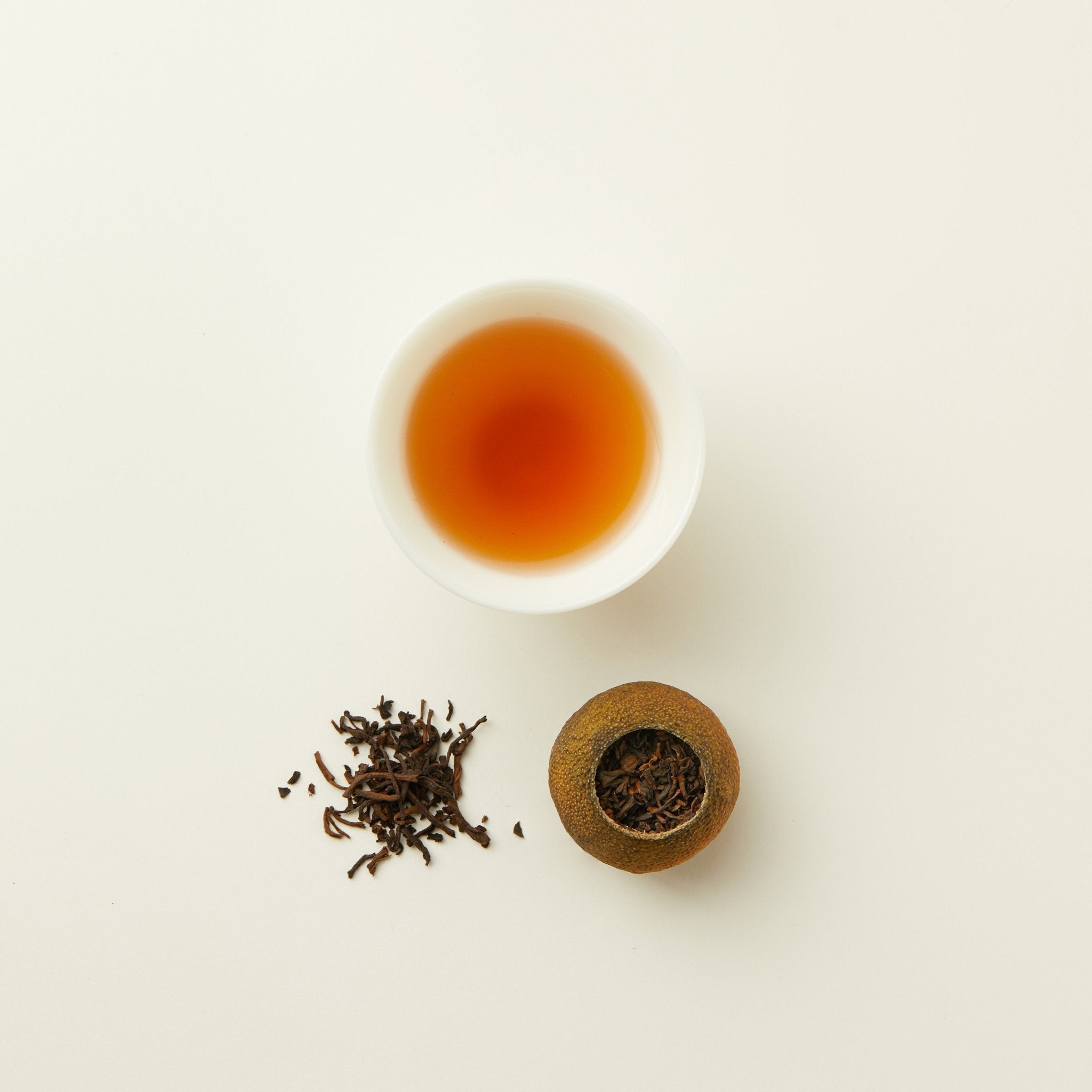
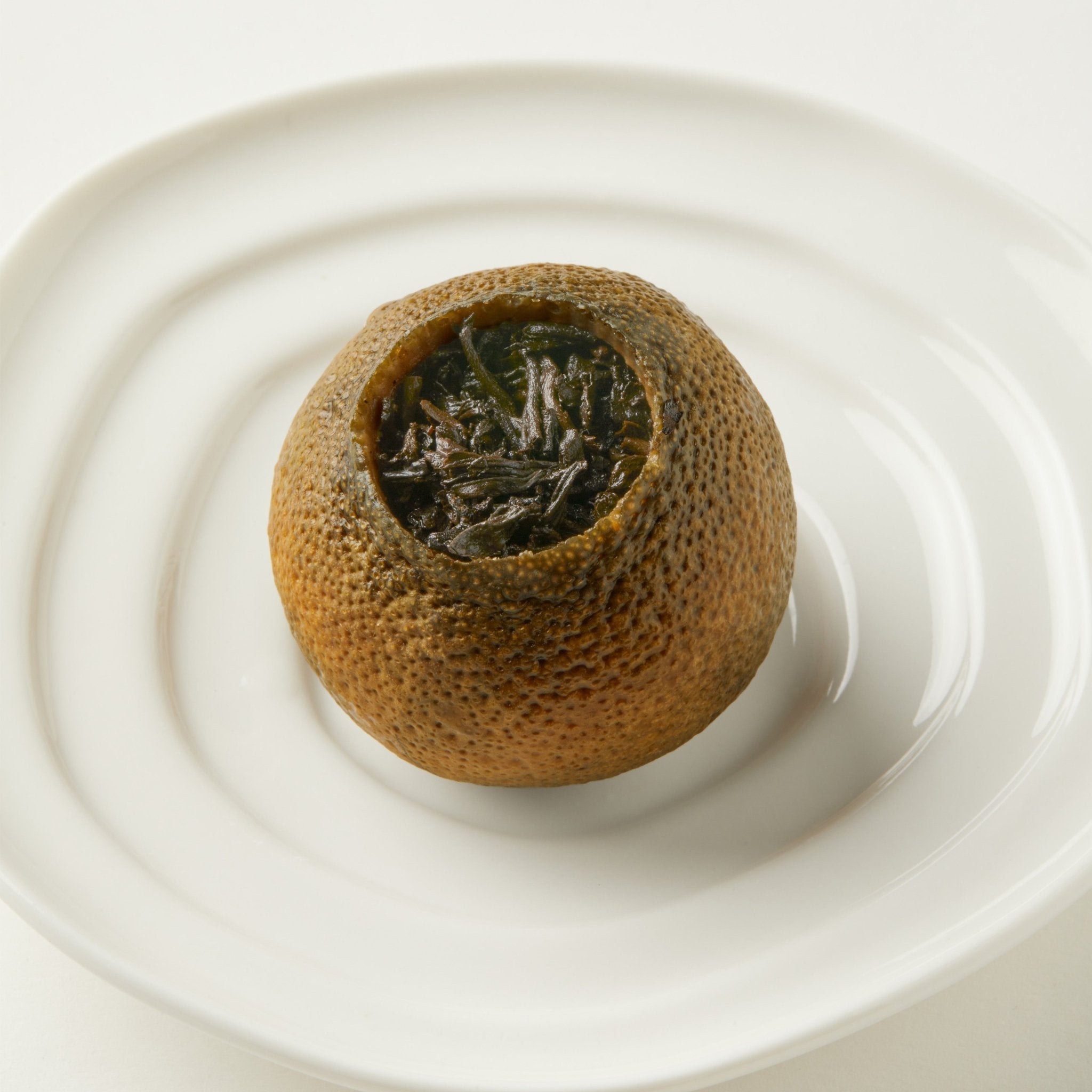
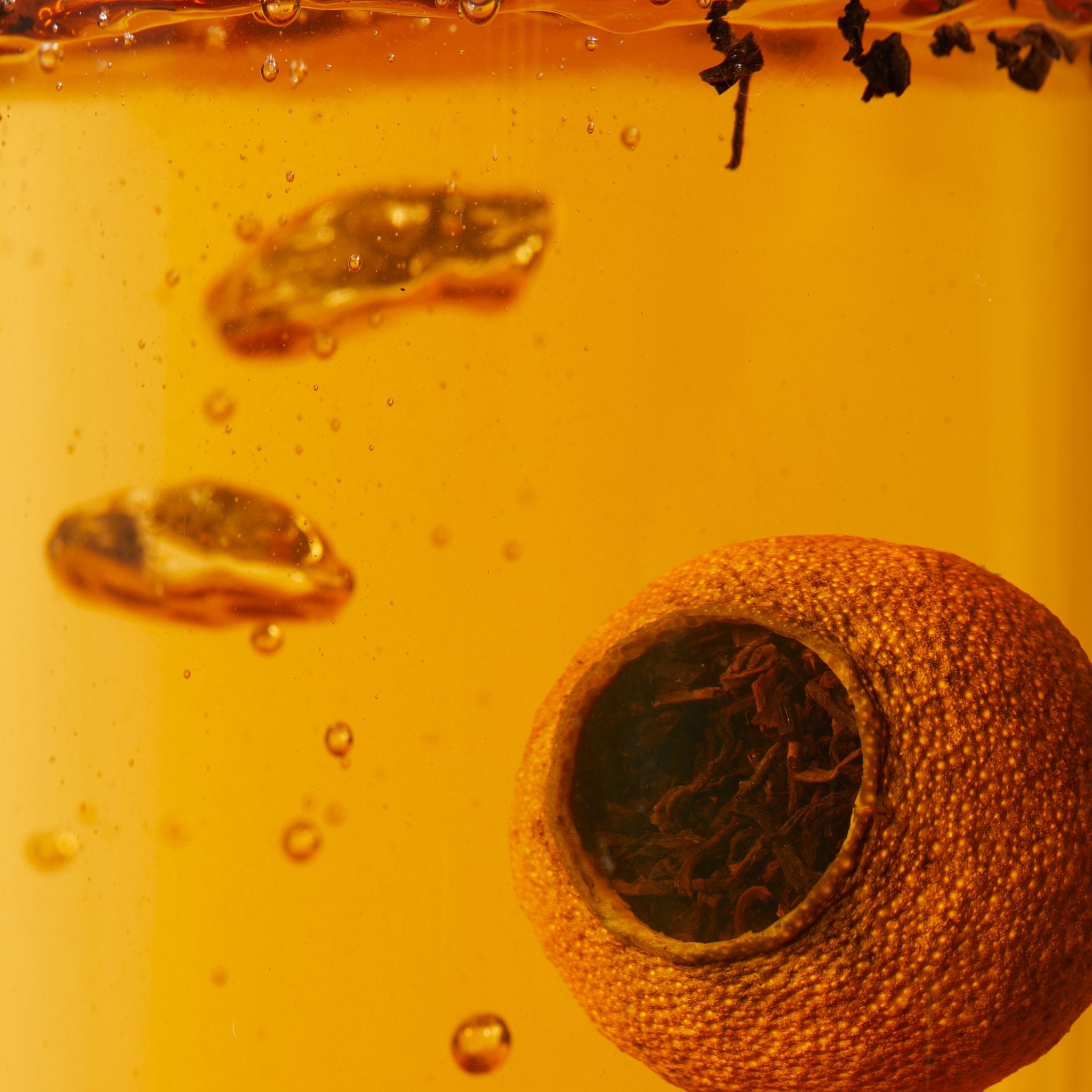
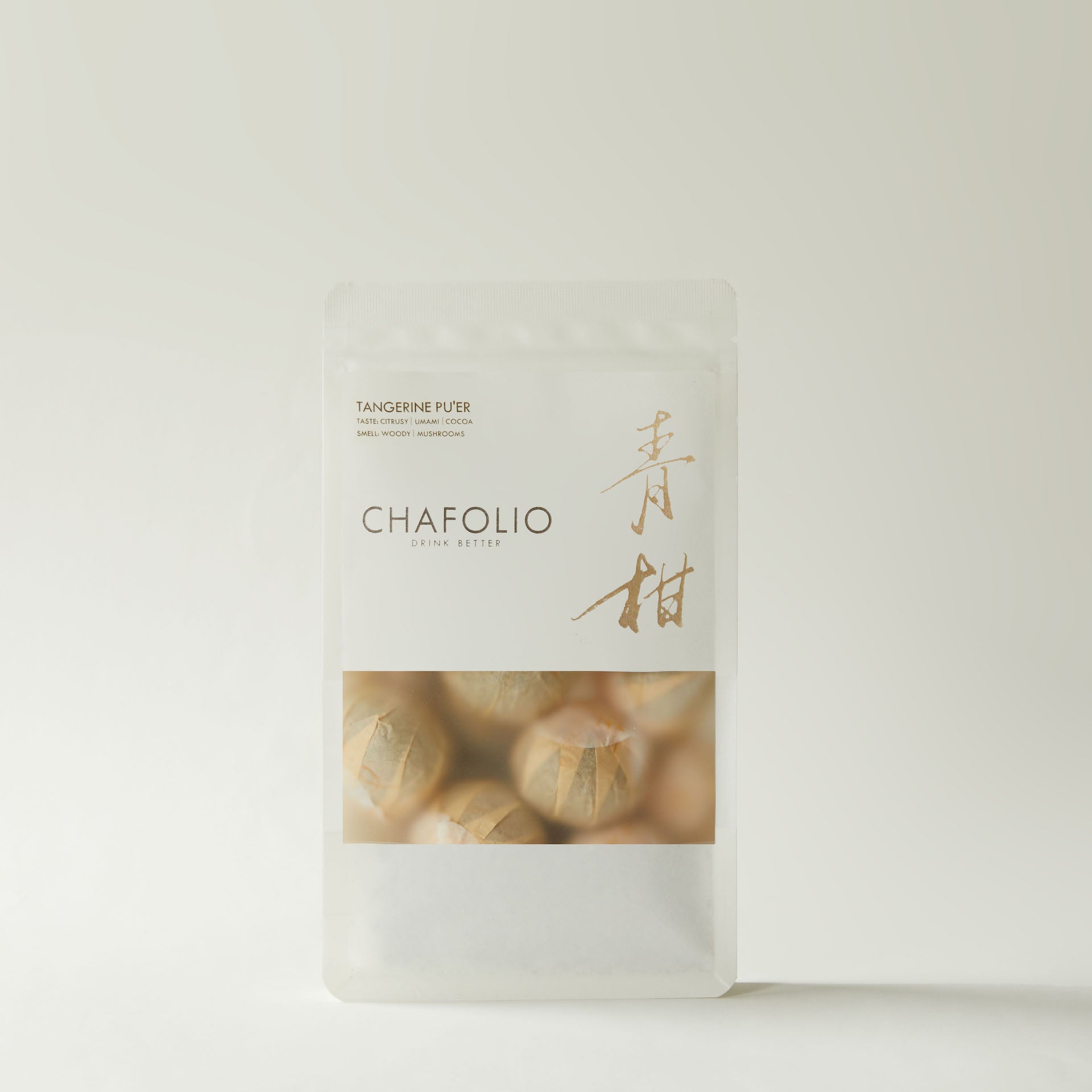
Tangerine Pu'er
Taste: Citrusy, Umami, Cocoa
Serving: Each bag makes around 70 to 80 cups of tea, depending on your taste preference. (15 balls/bag)
This tea blends two legacies: aged pu-er and sun-dried green tangerine peel. One ferments slowly, the other warms gently. Pu-er was once carried on horseback across the Tea Horse Road, over snowcaps and ravines, to reach Tibet, Nepal, even Burma. For borderland families, it became daily nourishment and cultural memory. Aged like wine, pu-er holds both flavor and time. The peel, prized in Chinese medicine, adds brightness and warmth. Xiao Qing Gan (小青柑) is where old trade routes meet modern craft. A tea that doesn’t just nourish, it remembers.
14-Day Return Guarantee
We want you to feel confident with your purchase. If you are not satisfied, you may request a return within 14 days of delivery. Return shipping costs are the responsibility of the customer.
For any additional questions, please contact us at hello@chafolio.com.
Tangerine Pu'er
Sale price$50.00
Choose options
Tangerine Pu'er
Sale price$50.00
PRODUCT DETAILS
Caffeine
Roast
Fermentation
Ingredients

Ripe Pu'er
How to Brew
Hot Brew
Temperature:
212°F / 100°C
Steep time:
3 minutes
Tea amount:
1 mini tea cake per 10 oz
*Rinse for 10 seconds before brewing. Re-steep up to 6 times.
Cold Brew
Temperature:
Room temp or cold
Steep time:
5 hours in fridge
Tea amount:
1 mini tea cake per 12 oz

Ripe Pu'er
Ripened Pu’er is transformed through microbial post-fermentation, a process that reshapes the tea’s natural polyphenols and creates distinctive compounds such as theabrownins. Research has drawn particular attention to these fermented tea compounds for their interaction with the gut microbiome and bile acid metabolism, two systems closely involved in how the body digests, absorbs, and processes dietary fats.
Our Sourcing
Yunnan, China
Yunnan, in southwestern China, is the historic home of Pu-erh tea and one of the world’s oldest tea-growing regions. Its high elevations, warm days, cool nights, abundant rainfall, and diverse mountain forests create ideal conditions for large-leaf tea trees to grow slowly and develop deep, concentrated flavor. Many Pu-erh teas are made from Yunnan’s native large-leaf varieties, valued for their rich polyphenol content and ability to transform over time. After processing, the tea continues to evolve through microbial fermentation and aging, developing the smooth, earthy depth, mellow sweetness, and layered character that define traditional Pu-erh.
Our Standards


A
It can’t fit my little clay pot! But it’s so good so I had to bought a bigger one.
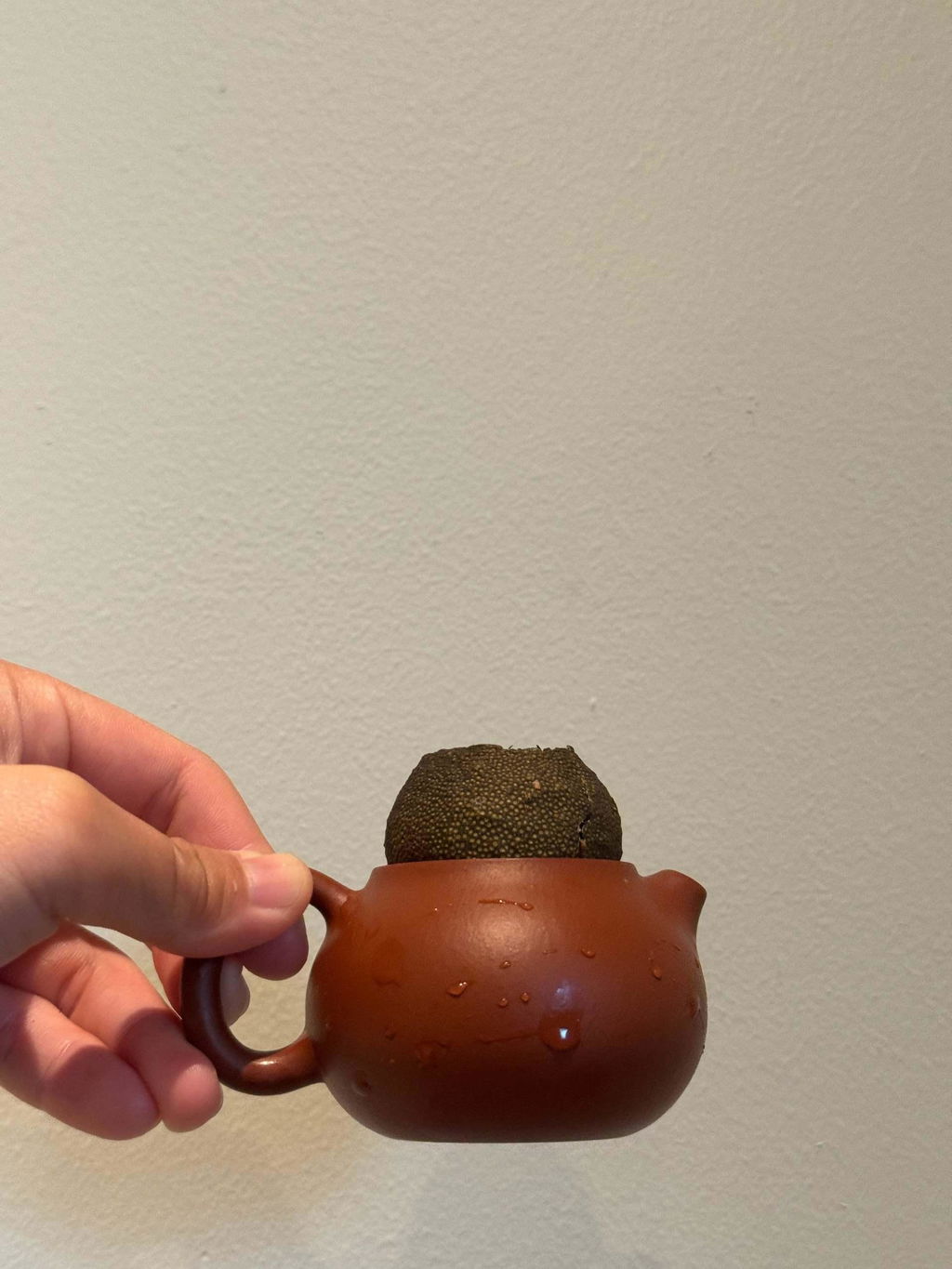
A
The scent is great, quality is very good. however the nature character of this kind of tea isn’t what I was looking for. The fragrance doesn’t integrate in the tea soup. The size and the amount of tea it could brew last very long and it is good for a big group gathering instead of a small group for a few. I will only use this tea for special gatherings :).
A
Delicious tangerine puerh tea.
J
Love this tea!
J
Love this tea!
S
Love the flavor
D
Awesome!! It is now my FAVORITE! I have some at home and at work. It's perfection!
C
Love it
C
I’m honestly amazed by this tangerine pu’er tea. I started drinking it regularly after meals, and the difference I’ve noticed has been pretty incredible — my digestion feels smoother, my energy is more steady, and overall I just feel healthier.
One of my favorite things about it is how many infusions you can get from a single tangerine pu’er — it really lasts, and the flavor evolves in such a satisfying way with each steep. It’s become a daily ritual for me, sometimes twice a day, especially after eating.
The aroma is distinct and comforting, and now it’s something I actually look forward to every time I brew it.
A
Love this tea it’s so smooth amazing benefits as well thx
J
Citrus brightens the petrichor depths of this tea, makes for excellent rainy day tea sessions.
A
I’m on my third cup from the same tangerine ball and I’m loving it. It’s a whole experience: from the aroma when you first open it, to the way the warm earthy and orange colors bleed into each other as you pour it, to that first sip. It’s so well balanced, the peaty flavor isn’t overwhelming at all and the citrus shines without a problem. If one could drink a harmony of flavor, this would be it.
A
Simply amazing, was never a big fan of a pu'er, but this one just blew my mind, rich aroma with a citrusy touch. My new favorite.
J
I never had this kind of Pu-er before but it actually turns out to be my favourite now!