



CRAFTFOLIO 大師作
Why we create this series?
In the U.S., teas like this are rarely seen.
Not because they can’t but because the world rarely sees tea made by cultural heritage artisans. In China, only a handful earn this title, given to those who’ve devoted their lives to preserving and elevating centuries-old craft. We created this series to share what we believe is the pinnacle of tea craftsmanship. Each tea is handcrafted from the finest leaves, using time-honored methods that demand precision, patience, and feel.
These are not mass products. They are works of quiet mastery, shaped by nature, perfected by touch. Most people never hear the names behind great tea. But when their work is seen and valued, something shifts. That’s how a craft survives.
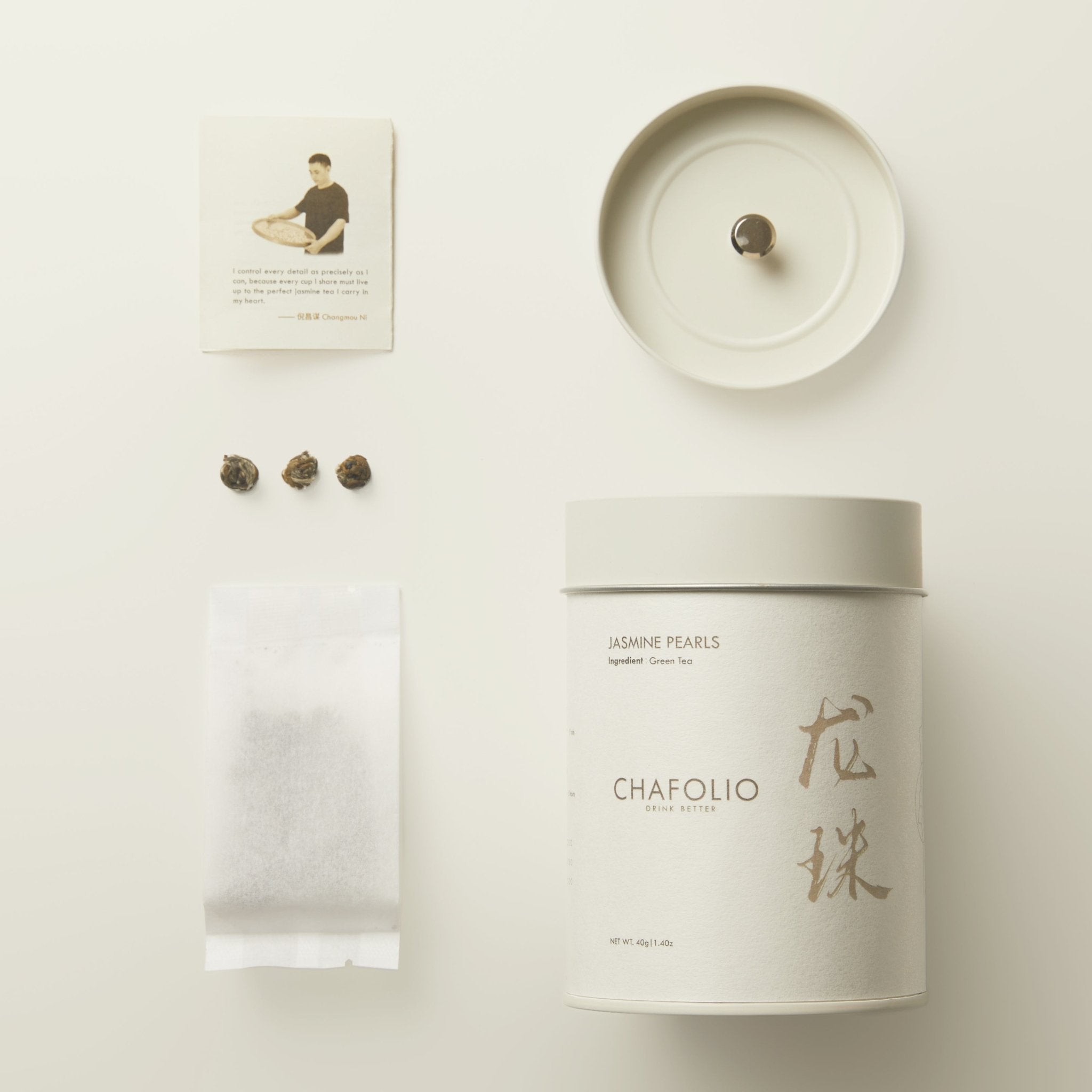
Changmou Ni - Four-time winner of the Jasmine Tea King Award
Only tea that has passed ten flawless steps can be called Fuzhou jasmine tea. It begins in the afternoon, picking buds that are just about to bloom. By night, when the petals open and the scent is at its peak, the flowers are layered with tea leaves. The temperature, humidity and airflow must be precisely balanced to let the fragrance enter the leaf without damaging it. One misstep such as a flower too open or a leaf with the wrong moisture will break the harmony. This is a craft that leaves no room for error.
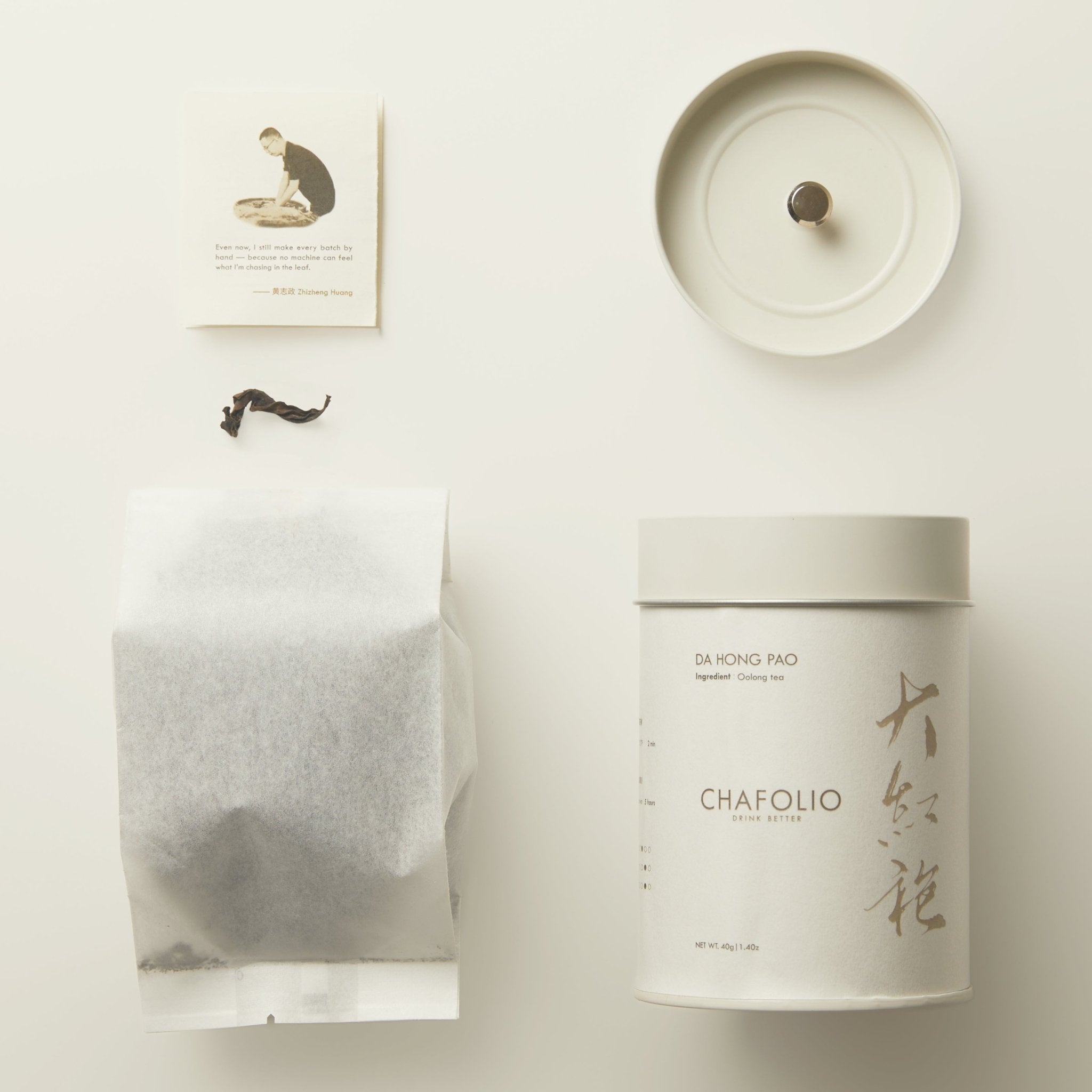
Zhizheng Huang - The youngest rock tea certifed inheritor
The mark of great Wuyi Rock Tea is the “green leaf with red edges.” It means the leaf’s surface is lightly bruised, turning red at the rim while the center stays green. Achieving this balance of about half fermentation is rare. It gives the tea both the richness of black tea and the freshness of green tea. To reach it, the leaf must be hand tossed with perfect timing and then roasted at exactly the right heat in each stage. It is a pursuit of fragrance and depth in equal measure.
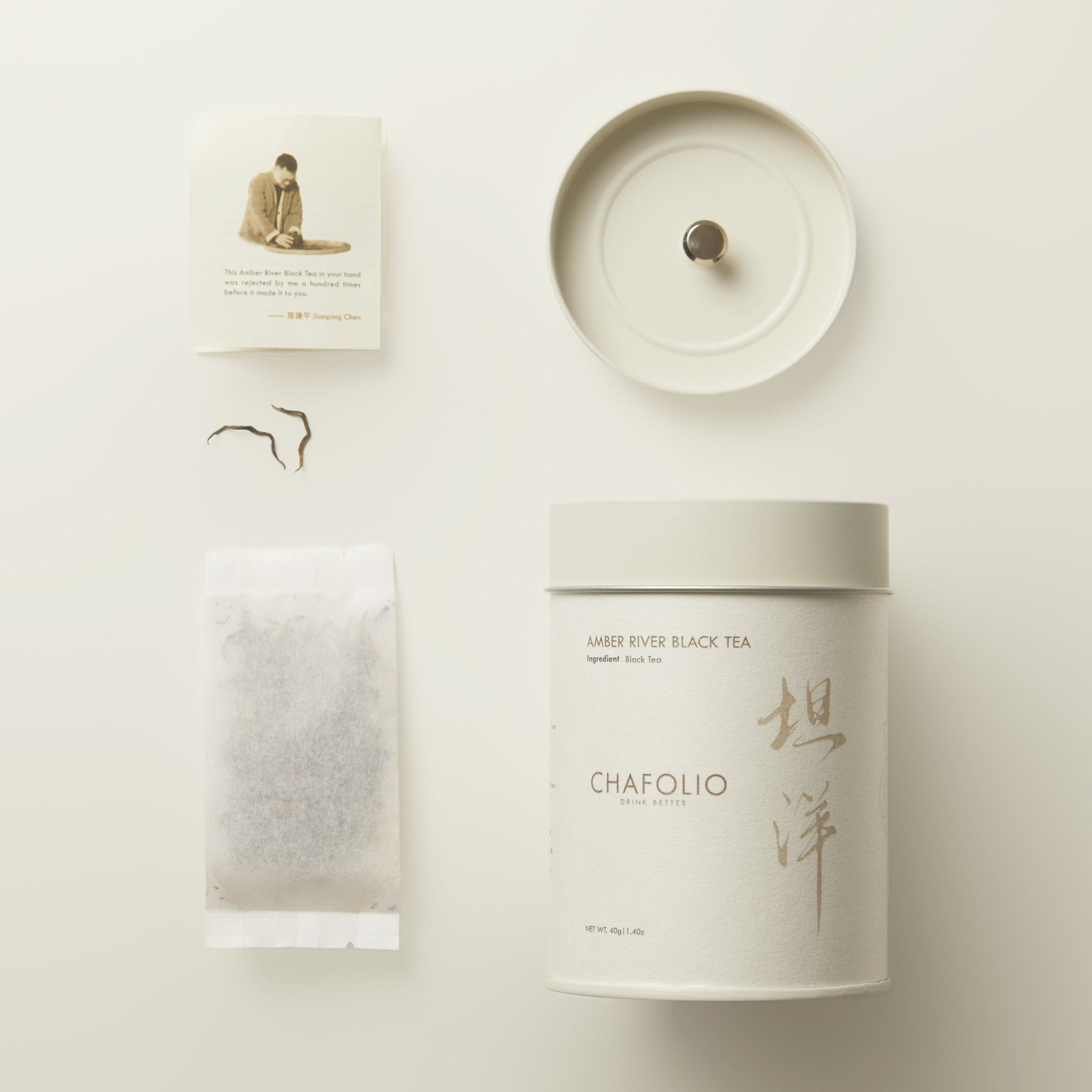
jIANPING CHEN - Champion of Fujian Black Tea Competition 2023
In fine black tea, the final precision lies in sifting. Leaves are separated by thickness, length and weight through a series of hand movements such as shaking, circling, lifting and tossing. Each motion has a purpose to remove light flakes, broken stems and uneven pieces while keeping the shape intact. The goal is even brewing and a smooth, consistent taste. To an untrained eye it looks simple, but in skilled hands it is a rhythm learned over years where every sift shapes the character of the tea.