



Amber River Black Tea — Craftfolio
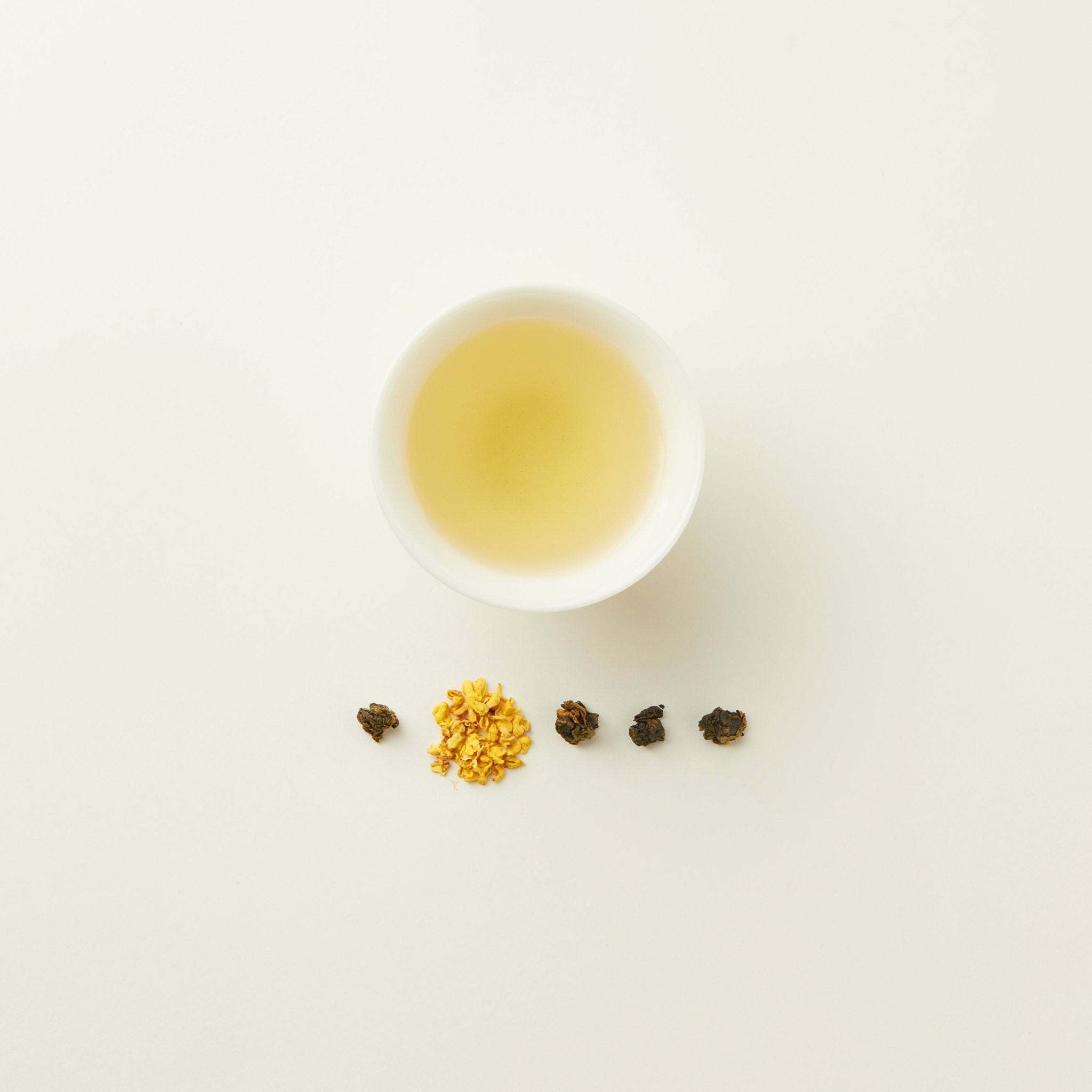
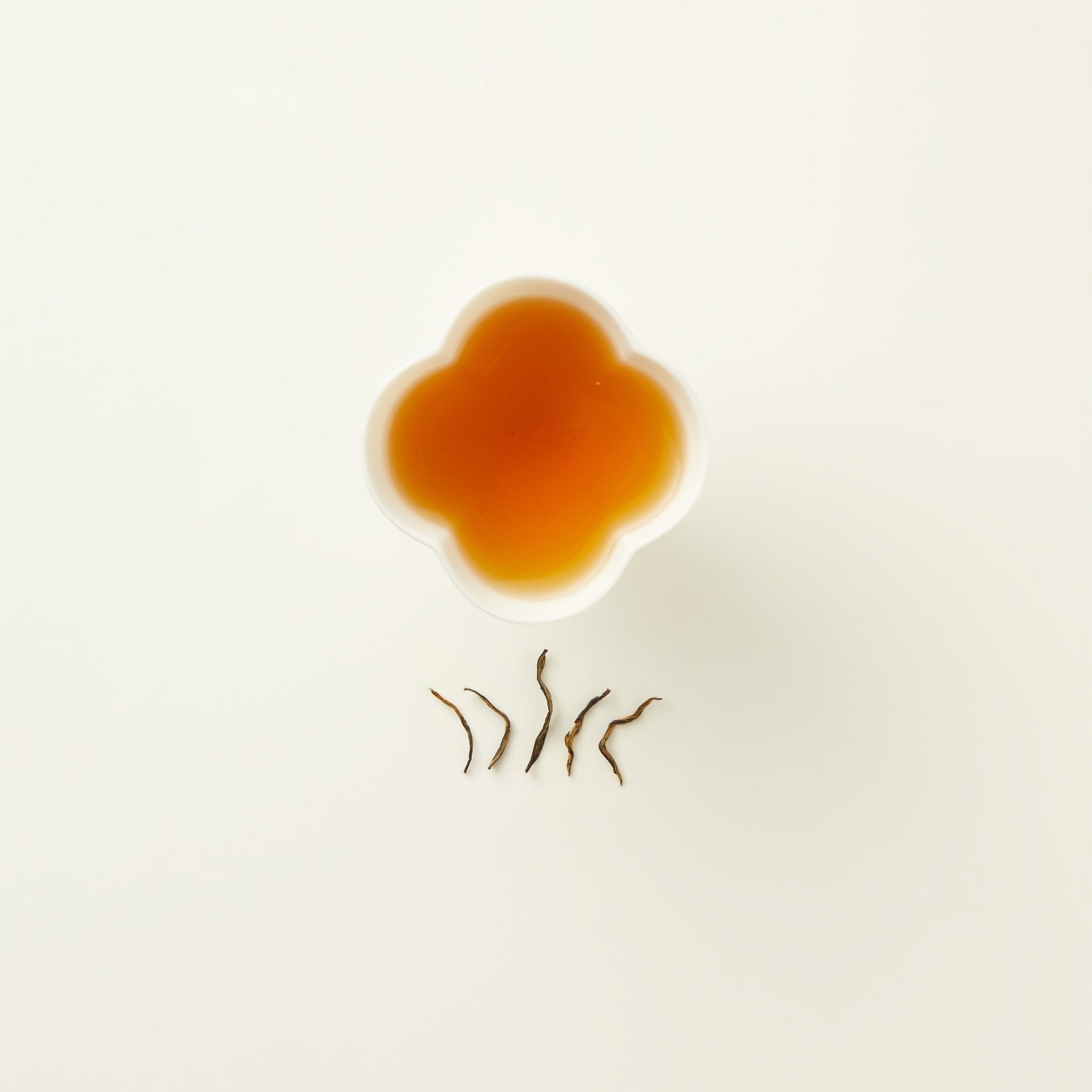
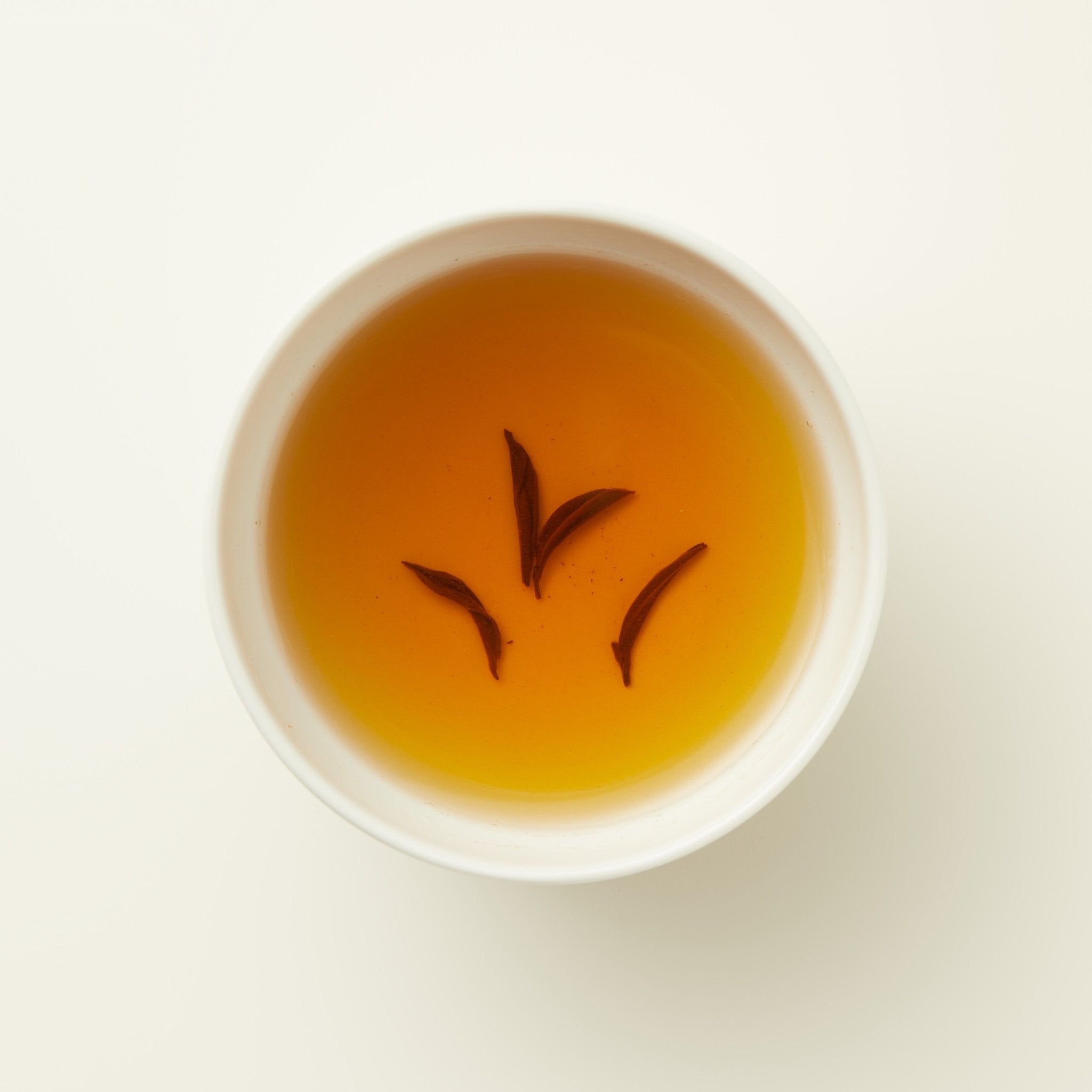
Taste: Longan, Orchid, Apricot
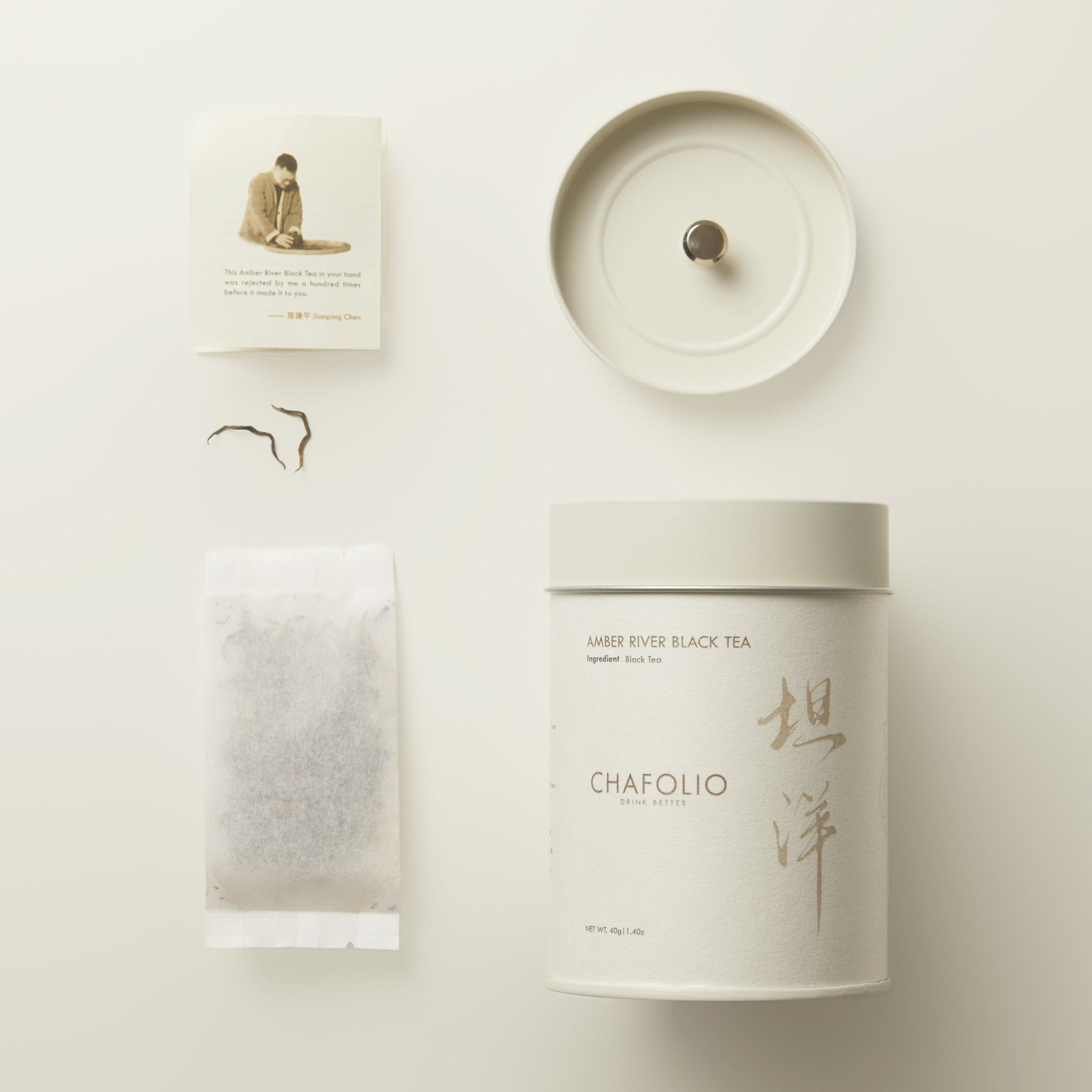
Serving: Features 8 individually sealed bags. Each canister makes 25–30 cups of tea.
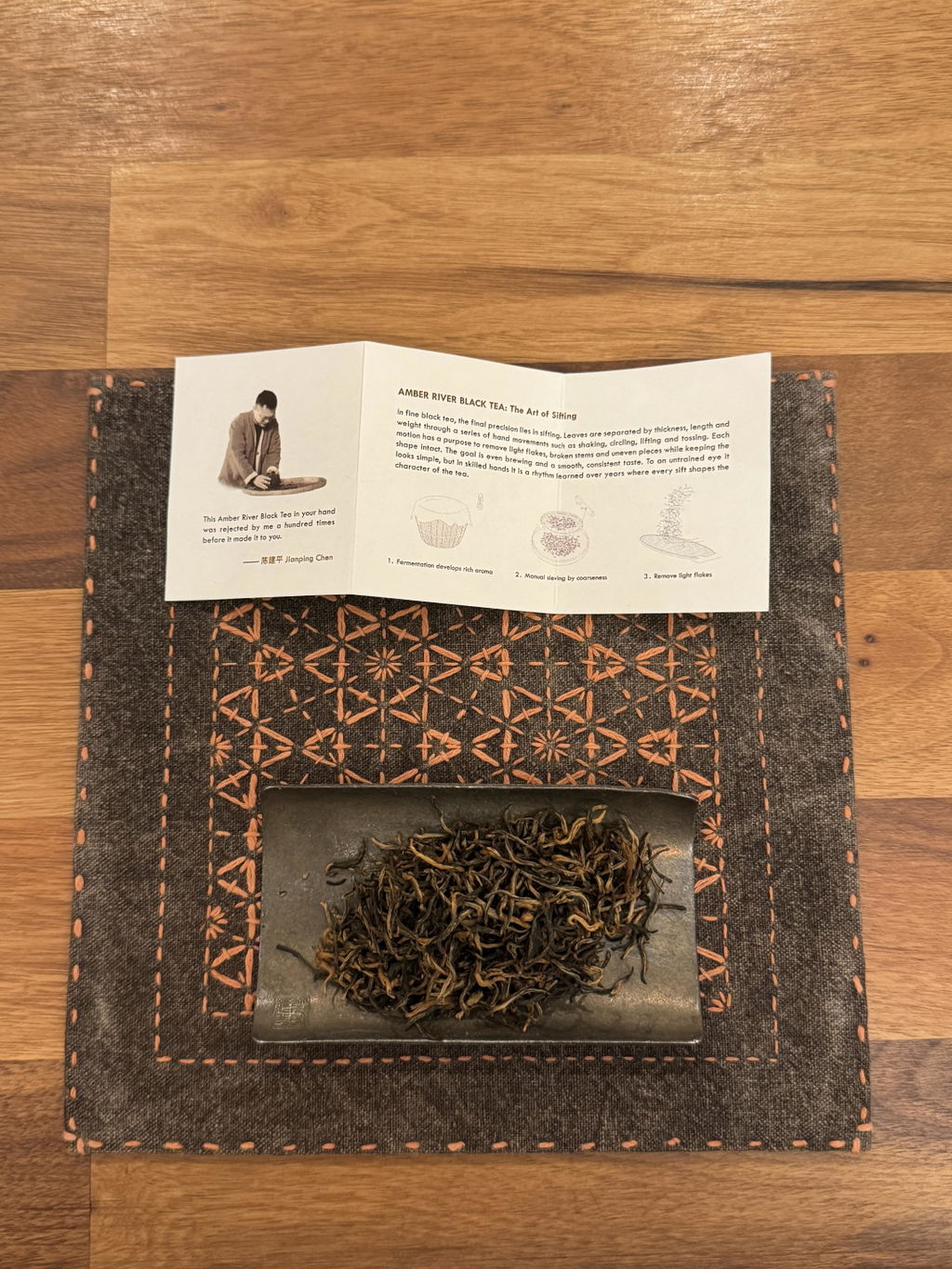
In fine black tea, the final precision lies in sifting. Leaves are separated by thickness, length and weight through a series of hand movements such as shaking, circling, lifting and tossing. Each motion has a purpose to remove light flakes, broken stems and uneven pieces while keeping the shape intact. The goal is even brewing and a smooth, consistent taste. To an untrained eye it looks simple, but in skilled hands it is a rhythm learned over years where every sift shapes the character of the tea.
Purchase Option:
Amber River Black Tea — Craftfolio

14-Day Return Guarantee
We want you to feel confident with your purchase. If you are not satisfied, you may request a return within 14 days of delivery. Return shipping costs are the responsibility of the customer.
For any additional questions, please contact us at hello@chafolio.com.
Amber River Black Tea — Craftfolio
Sale price$50.00
Choose options
Amber River Black Tea — Craftfolio
Sale price$50.00
Purchase Option:
Amber River Black Tea — CraftfolioPRODUCT DETAILS
Caffeine
Roast
Oxidation
Ingredients

Black Tea
How to Brew
Hot Brew
Temperature:
212°F / 100°C
Steep time:
3 minutes
Tea amount:
1 bag per 10 oz
Cold Brew
Temperature:
Room temp or cold
Steep time:
5 hours in fridge
Tea amount:
1 bag per 12 oz

Black Tea
Full oxidation transforms tea catechins into distinctive compounds such as theaflavins and thearubigins, giving black tea its deeper color and a different polyphenol profile from green tea. Human studies have linked regular black tea intake with improvements in endothelial function, the ability of blood vessels to relax and respond to blood flow, while theaflavins have also shown measurable effects on peripheral microcirculation.
Our Sourcing
Fuan, China
Tanyang Village, located in Fu’an in northeastern Fujian, is the birthplace of Tanyang Gongfu, one of Fujian’s most historic black teas. Surrounded by mountains and river valleys, the area has a mild, humid climate, frequent mist, abundant rainfall, and naturally acidic soils that are well suited to tea cultivation. These conditions allow the leaves to grow slowly and develop a rich concentration of aroma and flavor. Generations of local tea makers have refined the traditional Gongfu method of careful rolling, oxidation, and drying, creating a black tea known for its smooth body, warm sweetness, bright aroma, and clean, lingering finish.
Our Standards


From our founder — Joey Zhou
I first heard about Master Chen from one of my closest friends, who studied tea science with him at Fujian Agriculture and Forestry University. They were classmates who chose to stay in a field that demands patience, discipline and a lifetime of quiet dedication. What touched me most was not only Chen’s devotion to Tan Yang Gong Fu black tea, but also the deep respect he still holds for his master. Today, Master Chen is a leading force in developing new planting techniques in his region, yet he continues to return to his teacher for guidance, carrying the same humility he had as a young apprentice.
There is a saying in China: “A teacher for one day is a father for life.” In Master Chen’s story, I truly felt this wisdom. What passes from teacher to student is not just skill. It is a way of honoring the tea, honoring the land, and striving toward perfection even when an easier path is always available.
J
This is a really high-quality black tea. I also love the little illustration in the packaging that tells the tea’s story. It makes the whole product feel thoughtful and carefully made. The tea has a natural floral and fruity aroma, which made the taste smooth and refreshing.
E
Cream of the crop of black teas. An unreal smoothness that I haven't experienced with other black teas. Its caffeine content doesn't hit you like a truck nor makes you overly jittery. And this is coming from someone with a history of heart arrhythmia.
D
Amber River tastes like the soul of black tea. It's hard to pick a favorite tea of all time, but this one is excellence in a cup. The depth of each sip is an ocean of honey and malt and sun and I've never tasted any tea more powerful. All that's required is a simple steep of a few minutes. However, if you make a milk tea from this, prepare to be transported--on wings, made of amber river tea leaves. Simply the best.
A
Really enjoyed this one. Rich flavor, smooth finish, and no harsh bitterness. Exactly the kind of black tea I like to keep around for everyday drinking.
D
Superb!
By far the best of your Black teas.
An occasional discount and a smaller package would add to itExcellent! This is by far the best of your black teas. Offering occasional discounts and smaller packaging would enhance its appeal.Excellent! This is by far the best of your black teas. Offering occasional discounts and smaller packaging would enhance its appeal.s