Skip to content

Cart

Your cart is empty

Five Tea Tools, Five Ways to Understand Tea

茶具的用途

Five Tea Tools, Five Ways to Understand Tea

Tea has never belonged to one single ritual. Across time and cultures, people have found different ways to brew it, serve it, share it, and carry it into daily life. Some tea tools come from centuries of ceremony; others were borrowed, adapted, or invented for modern routines. Here are five tea tools we love, not just for how they brew tea, but for what they reveal about the changing culture of tea. Read to the end for a special teaware coupon from Chafolio.

Cold Brew Bottle

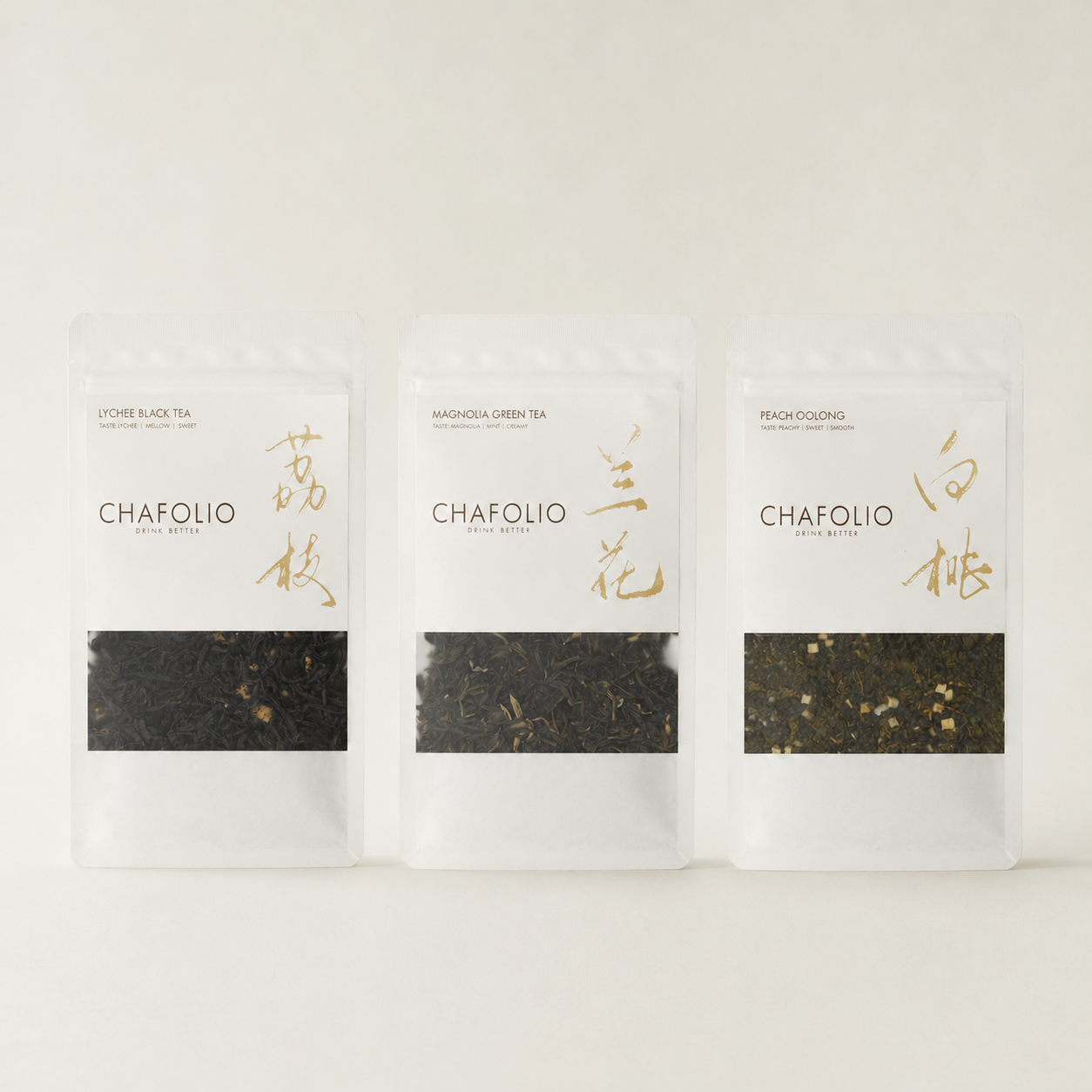
A modern bottle made for steeping tea slowly in cold water. The cold brew bottle is a modern tea tool that speaks the language of contemporary life: convenience, freshness, and portability. Unlike traditional teaware centered on heat and ritual, it brings tea into refrigerators, offices, and everyday routine. When using a cold brew bottle, adding plenty of ice does more than make the drink look refreshing. It helps keep the tea bright, slows oxidation, and preserves a cleaner flavor. Because cold water extracts more slowly than hot water, cold brewing can also result in a gentler cup with less caffeine extraction, depending on the tea and steeping time. Fruity and floral teas like Yuzu Oolong, Magnolia Green Tea, and Peach Oolong all work especially well here.

French Press

A practical press-style brewer adapted from coffee culture for loose-leaf tea. Originally designed for coffee, the French press has become a simple and practical way to brew loose-leaf tea. It shows how tea culture adapts across different routines: add leaves, pour water, steep, press, and serve. The key is to avoid over-steeping. Tea leaves should not sit in hot water for too long, especially oolong, which can turn bitter. Control the steeping time, press slowly, and try it with herbal teas or Peach Oolong for an aromatic, easy larger-cup brew.

Gaiwan

A traditional Chinese lidded bowl used for short, repeated infusions. The gaiwan is one of the most elegant tools in Chinese tea culture. Made of a lid, bowl, and saucer, it is often seen as a small universe: heaven, earth, and the person between them. More than a brewing vessel, it reflects balance between nature, people, and ritual. Brewing with a gaiwan is all about rhythm. Use more tea leaves, keep each infusion short, and pour quickly. The lid helps gather aroma, release steam, and guide the leaves while pouring. This method is ideal for teas that unfold over multiple infusions, such as Dahongpao, Osmanthus Oolong, and Jasmine tea.

Tea Pot

A classic vessel designed for brewing and sharing tea with others. The teapot is one of the most familiar tea tools, often associated with warmth, hospitality, and shared moments. In Chinese tea culture, teapots are also closely tied to skilled brewing and the appreciation of tea character. Before brewing, warming the pot helps stabilize the temperature and prepare the leaves for a smoother infusion. Teapots are especially good for teas that benefit from steady heat and fuller brewing space. Avoid over-steeping, and if you use the same teapot regularly, brew similar types of tea in it, since some materials absorb aroma over time. White Peony, Pu’er, and Honey Black Tea all work beautifully in a teapot.

Tea Mug

An everyday cup that makes tea simple, personal, and easy to enjoy. The tea mug represents the most casual side of tea culture. It sits beside your laptop, book, or breakfast, making tea feel personal, approachable, and easy to return to throughout the day. For mug brewing, keep it simple. Use fewer leaves, avoid water that is too hot, and consider a removable infuser to control strength. A mug is ideal for anyone who wants tea to feel effortless: not a formal ritual, but a quiet part of daily life.

A Tool Is Also a Story

Every tea tool changes the way we experience tea. A gaiwan invites attention. A teapot invites sharing. A French press invites adaptation. A cold brew bottle invites movement. A mug invites comfort.

Together, they remind us that tea culture is not frozen in the past. It keeps evolving, across countries, lifestyles, and daily routines.

Special offers

Limited time discount on selected products

TEASET26 Click to copy