Skip to content

Cart

Your cart is empty

Find your tea

Start Quiz ›

Chafolio Picks

Fruit Herbal Tea Set
Sale price$75.00 Regular price$80.00

Hot Brew vs. Cold Brew Tea: How to Brew for the Best Flavor

冷熱泡:如何泡出最佳風味
Upload image

Should this tea be hot brewed or cold brewed?

One question we get asked often is: Should this tea be hot brewed or cold brewed? The truth is, the same tea can taste surprisingly different depending on how you brew it. Hot brewing quickly brings out aroma, body, and deeper flavors, while cold brewing takes a slower approach for a smoother, more refreshing cup. Neither is better. They simply bring out different sides of tea.
Upload image

What Happens When You Hot Brew Tea?

Hot water extracts flavor quickly, bringing out aroma, color, body, and deeper notes within just a few minutes. Temperature matters. Delicate teas usually prefer cooler water, while black teas can handle higher temperatures. Fruit, herbs, and spices often benefit from near-boiling water, which helps dried ingredients release more flavor. The goal is not simply hotter water, but the right temperature for each tea: Green & white tea → 160–185°F / 70–85°C Black tea → 195–212°F / 90–100°C Fruit, herbs & spices → 205–212°F / 96–100°C
Upload image

What Makes Cold Brew Different?

Cold brew uses time instead of heat. Almost any tea can be cold brewed. What changes is how the flavor comes through. Slow steeping in cool water often creates a cup that is smoother, softer, and less astringent, while fruit and floral notes can feel lighter and more refreshing. Simply add tea to cool or room temperature water and refrigerate for around 5 hours. The same tea can taste quite different when cold brewed, which makes it worth trying both ways.
Upload image

Teas to Try: Hot Brew

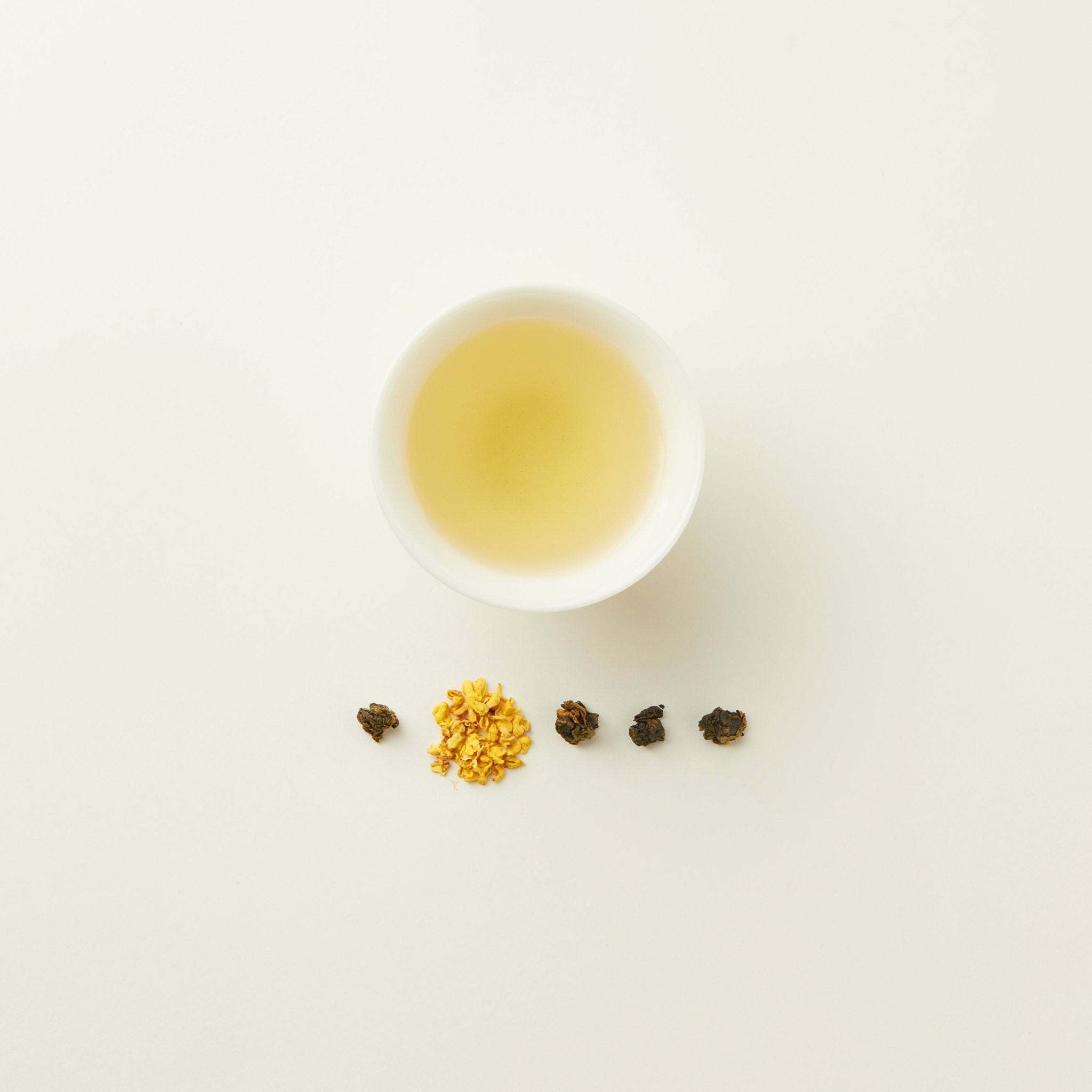
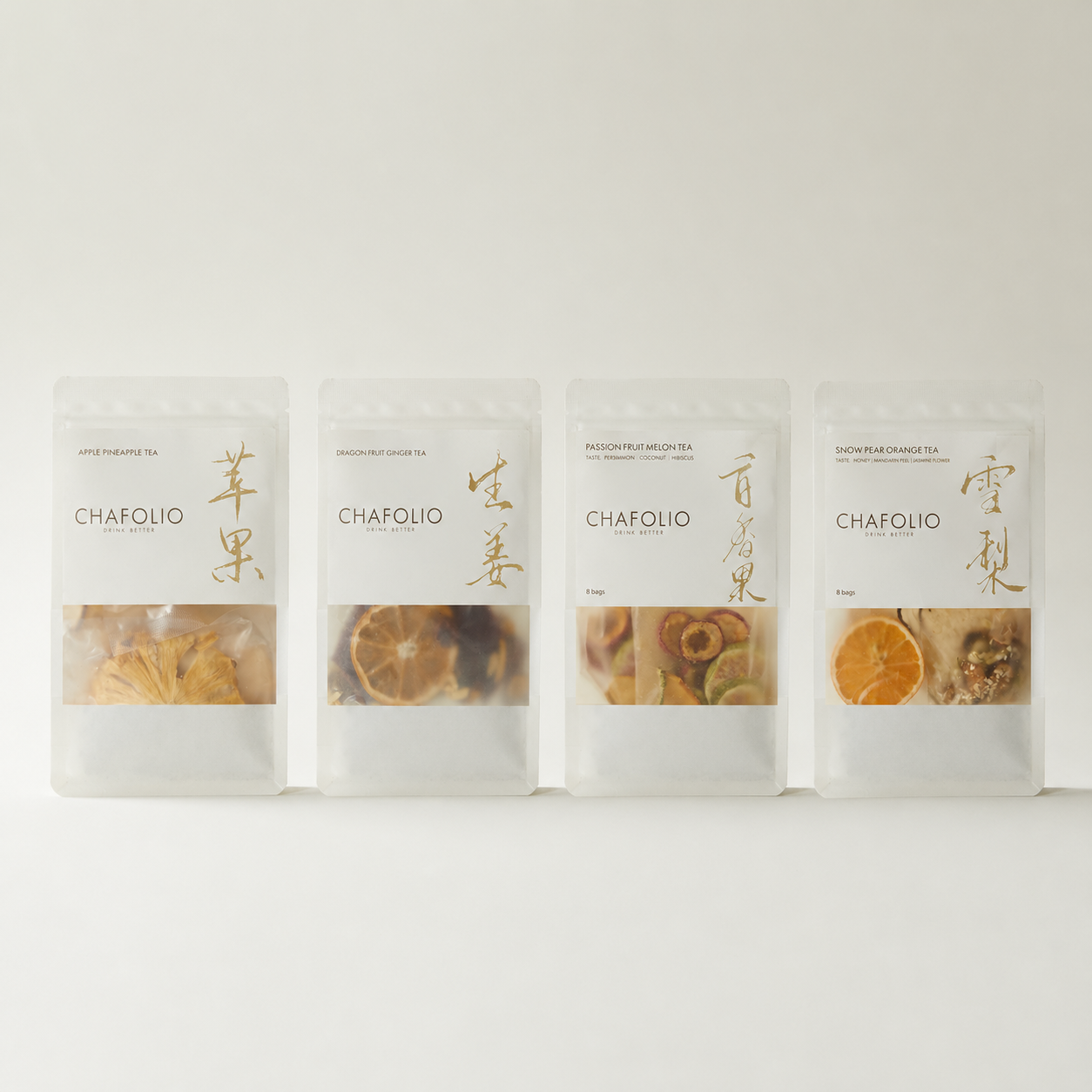
For Hot Brew Choose a hot brew when you want something warm, aromatic, and full-bodied. Heat brings out deeper flavors quickly, making it especially suited to black teas, spices, and richer botanical blends. Golden Bud is a natural choice for hot brewing. Heat helps bring out its richer, deeper character and creates a fuller, more aromatic cup. How to brew: 212°F / 100°C · 3 minutes · 1 tbsp per 10 oz water Dragonfruit Ginger is especially comforting when brewed hot. The warmth brings together its fruity notes with the gentle spice of ginger, creating a bright yet cozy cup. How to brew: Near-boiling water · about 5 minutes
Upload image

Teas to Try: Cold Brew

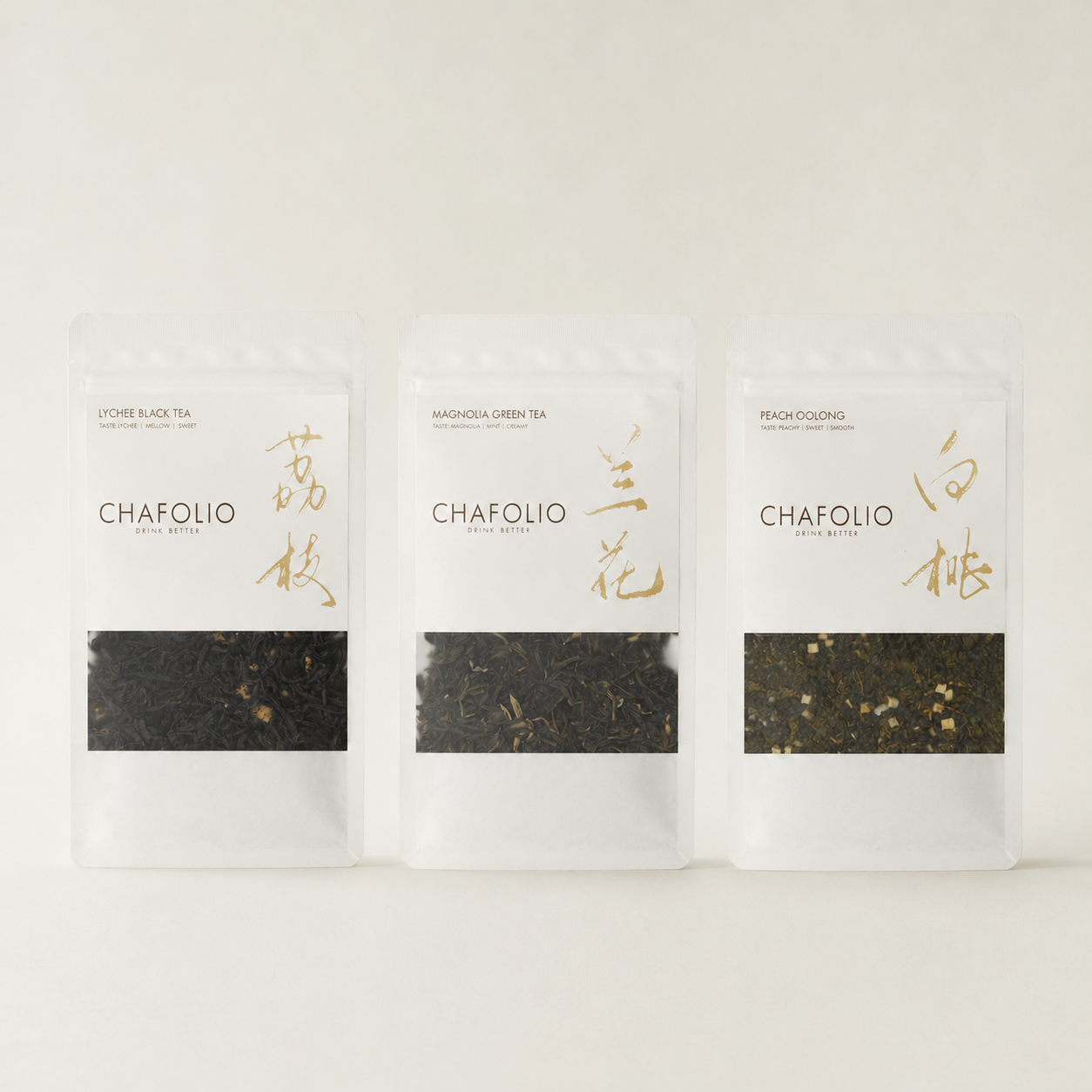
Choose a cold brew when you want something lighter, smoother, and refreshing. The slower extraction softens astringency and lets fruit and floral notes unfold more gently. Cold water extracts caffeine more slowly than hot water, so cold brew can be a gentler option under similar brewing conditions. However, steeping time still matters. To keep caffeine lower, use less tea or shorten the brewing time. Peach Oolong works beautifully as a cold brew. The slower extraction keeps the oolong smooth while letting the peach notes come through soft, fragrant, and refreshing. How to brew: Add tea to ice water and refrigerate for around 5 hours. For something fruitier, Passion Fruit Melon Tea is an easy cold-brew choice. Passion fruit brings brightness, while melon adds a softer sweetness, making the blend especially refreshing when chilled. How to brew: Add tea to ice water and refrigerate for around 5 hours.

Hot or cold, changing the brewing method can completely change the way a tea feels. Sometimes all it takes is a different temperature, and a little more time.